Water & Flood
Flood Damage Restoration Tips for Texas Homeowners
Restoration is the long half of a flood. What you do between the cleanup and the rebuild determines whether you are finished in four months or fighting a mould claim in eight.
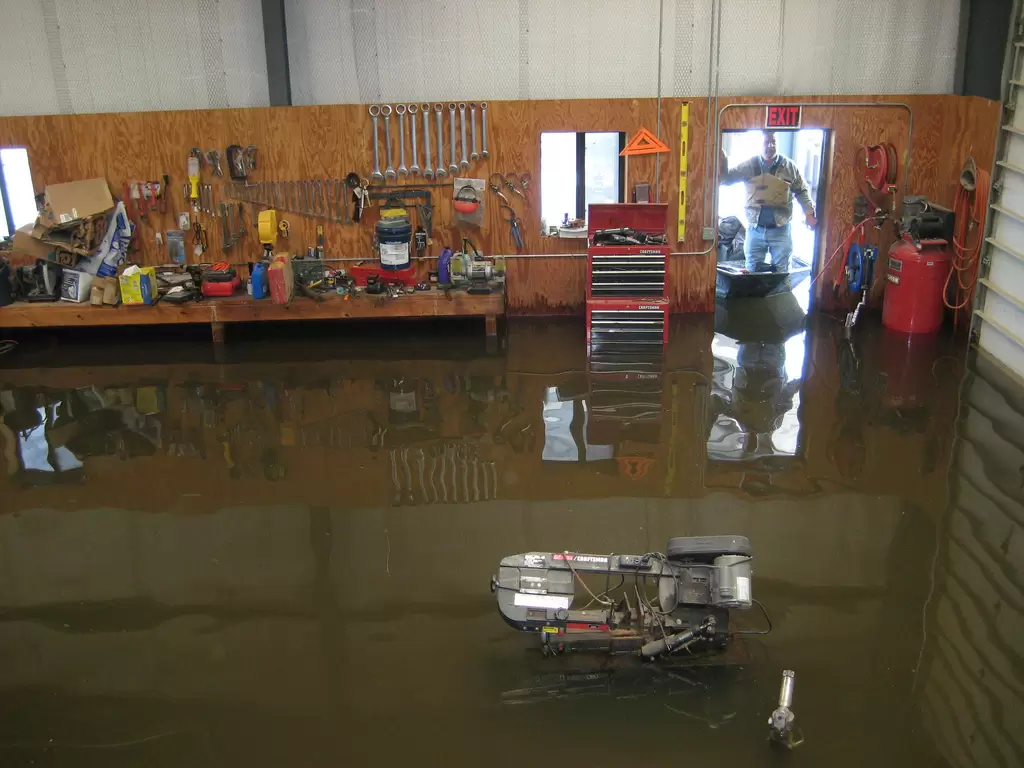
Cleanup is the part everyone photographs. Restoration is the part that decides whether the property comes back properly, and it is where the money in a flood claim actually sits.
Along the Texas Gulf Coast there is an additional wrinkle: rebuild rules. If your local floodplain administrator determines the structure was substantially damaged, you cannot simply put it back the way it was. That determination changes the project and it unlocks money most owners never claim.
Do not rush the rebuild
The single most common flood restoration failure is closing the walls too early.
Gulf Coast humidity means structural drying takes longer here than the timelines quoted in national guidance. Framing, subfloor and any remaining sheathing must reach a documented dry standard before insulation and drywall go back. Daily moisture logs from the restoration contractor are how you prove that happened.
Rebuilding over framing at even slightly elevated moisture produces mould inside a closed cavity within weeks. That is a new loss, it is almost certainly not covered by your flood policy, and you will have paid for the rebuild twice.
Ask for the final moisture readings in writing before anyone hangs drywall.
Understand the substantial damage determination
After a major flood, your city or county floodplain office assesses damaged structures. If the cost to repair reaches roughly half the pre-loss market value of the building, it is declared substantially damaged.
That finding means:
- The structure must be rebuilt to current floodplain standards, which usually means elevating above base flood elevation
- The permit for repair will not issue until that requirement is addressed
- You become eligible for the NFIP's Increased Cost of Compliance benefit
ICC provides funds toward elevating, relocating, floodproofing or demolishing the structure. It is separate from your building coverage payment and does not reduce it.
The failure mode is administrative rather than financial: the determination comes from the local floodplain office, the ICC claim goes to your flood insurer, and nobody connects the two for you. If you have received a substantial damage letter, ask your flood adjuster about ICC in writing.
Rebuild decisions worth making now
If the walls are open anyway, some upgrades cost very little at this stage and change your exposure next time:
- Closed-cell spray foam or mineral wool below the flood line instead of fibreglass batt. It does not hold water the same way.
- Paperless drywall in the lower courses, which removes the food source for mould.
- Raise the mechanicals. Moving the air handler, water heater and electrical panel above base flood elevation is far cheaper with walls open, and it removes the most expensive single item from your next flood claim.
- Tile or sealed concrete on the ground floor rather than carpet or laminate.
- Backflow prevention on the sewer line if backup occurred.
Some of these may be reimbursable under ICC or ordinance and law provisions. Ask before you pay for them yourself.
Contents: replace, restore, or write off
Flood-contaminated porous contents generally go. But three categories deserve a second look:
Documents and photographs can often be recovered by specialist freeze-drying if they are frozen quickly rather than left to mould.
Solid wood furniture frequently survives if it dried slowly and evenly. Rapid drying causes splitting.
Appliances and electronics that were submerged should be assessed rather than assumed dead — but never energised before inspection, and never returned to service on the basis that they seem to work.
For everything else, the inventory matters more than the item. Room, description, age, original cost, replacement cost. NFIP contents coverage settles at actual cash value, so age and condition drive the number directly.
Watch the depreciation holdback
Where replacement cost coverage applies, carriers pay actual cash value first and hold back recoverable depreciation until repairs are complete and documented.
That holdback is your money. It is released against completed-work documentation, and it has a deadline in the policy. Homeowners who rebuild slowly — which after a flood is most of them — sometimes reach that deadline with work unfinished and lose the balance.
Track it deliberately. Know the amount held back and the date by which the claim for it must be made.
Choosing a restoration contractor
After a widespread flood, the Gulf Coast fills with out-of-state crews. Some are excellent. Some are gone by Christmas with your deposit.
- Verify the contractor is registered to do business in Texas and carries current liability and workers' compensation cover
- Be cautious about large up-front deposits
- Read any assignment of benefits or direction to pay before signing. Some transfer your claim rights to the contractor entirely
- Get the scope in writing, line by line, and compare it against the carrier's estimate
When the settlement will not fund the rebuild
That gap is not unusual, and it is usually a scope problem rather than a valuation one. We review flood settlements and prepare supplemental claims across the Houston and Galveston County area. There is no fee unless the claim recovers more.
Frequently asked questions
How long should I wait before rebuilding after a flood?
Until framing and subfloor reach a documented dry standard, confirmed by moisture meter readings rather than by how the material feels. In Gulf Coast humidity this commonly takes a week or more. Closing walls over damp framing produces concealed mould growth within weeks, and that resulting loss is generally not covered by the flood policy.
What is Increased Cost of Compliance and how do I claim it?
ICC is an NFIP benefit that contributes toward elevating, relocating, floodproofing or demolishing a structure your local floodplain administrator has declared substantially damaged. It is separate from and additional to your building coverage payment. The determination comes from the local floodplain office; the claim goes to your flood insurer, and you generally have to raise it yourself.
Will my flood insurance pay to elevate my house?
Increased Cost of Compliance can contribute toward elevation where the structure has been declared substantially damaged, though it rarely covers the full cost of a major elevation project. Some state and federal mitigation grant programmes can be combined with it. Eligibility depends on the substantial damage determination, so that letter is the starting point.