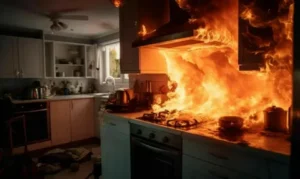
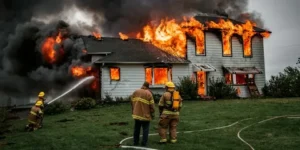
Fire damage is one of the most devastating risks a homeowner can face. It can spread quickly, destroy property, and put lives at serious risk. While not all fires can be predicted, many can be prevented with the right precautions and awareness.
At Joe Hensley Public Adjusters, we help homeowners understand risk factors and protect their property from costly fire-related losses. Here’s how you can reduce the chances of fire damage in your home.
Install and Maintain Smoke Detectors
Smoke detectors are your first line of defense against fire. They provide early warning, giving you time to react and escape safely.
To ensure proper protection:
- Install smoke detectors in every bedroom and hallway
- Test alarms monthly
- Replace batteries at least once a year
- Replace the unit every 8–10 years
Working smoke alarms can significantly reduce fire-related injuries and damage.
Be Careful in the Kitchen
Cooking is one of the leading causes of house fires. Most kitchen fires start when food is left unattended or heat sources are misused.
To reduce risk:
- Never leave cooking food unattended
- Keep flammable items away from the stove
- Turn pot handles inward
- Clean grease buildup regularly
Simple habits in the kitchen can prevent major accidents.
Check Electrical Systems Regularly
Faulty wiring and overloaded circuits are common causes of home fires.
Warning signs include:
- Flickering lights
- Frequently tripping breakers
- Burning smells near outlets
Have a licensed electrician inspect your system if you notice any of these issues.
Avoid Overloading Electrical Outlets
Plugging too many devices into a single outlet can cause overheating. This increases the risk of electrical fires.
Use power strips with surge protection and avoid daisy-chaining extension cords.
Store Flammable Materials Safely
Household chemicals, gasoline, and cleaning products should always be stored properly.
Keep them:
- In cool, ventilated areas
- Away from heat sources
- In approved containers
Improper storage can easily lead to accidental ignition.
Maintain Heating Equipment
Heaters, furnaces, and fireplaces can become fire hazards if not properly maintained.
To stay safe:
- Schedule regular HVAC inspections
- Clean chimneys and vents
- Keep heaters away from furniture and curtains
- Turn off portable heaters when not in use
Proper maintenance reduces the risk of overheating and fire.
Be Cautious with Candles and Open Flames
Candles create a relaxing atmosphere but can also be dangerous if left unattended.
Always:
- Keep candles away from flammable items
- Never leave them burning unattended
- Use stable holders
- Blow them out before sleeping
Small precautions can prevent large accidents.
Create a Fire Escape Plan
Even with prevention, it’s important to be prepared. Every home should have a fire escape plan.
Make sure your family knows:
- At least two exit routes from each room
- A safe meeting point outside
- How to contact emergency services
Practice your escape plan regularly.
Install Fire Extinguishers
Having fire extinguishers in key areas like the kitchen and garage can help control small fires before they spread.
Make sure you know how to use them properly and check expiration dates regularly.
Why Fire Prevention Matters
Preventing fire damage not only protects your home but also:
- Saves lives
- Reduces financial loss
- Prevents insurance complications
- Protects valuable belongings
Taking preventive steps today can save you from major losses in the future.
Why Choose Joe Hensley Public Adjusters
Joe Hensley Public Adjusters helps homeowners navigate fire damage claims and understand risk prevention strategies. Their services include:
- Fire damage claim assistance
- Property loss evaluations
- Insurance claim support
- Professional guidance for homeowners
Conclusion
Fire damage can be devastating, but many risks can be prevented with simple safety habits and proper maintenance. From electrical safety to kitchen awareness and emergency planning, every step matters in protecting your home.
With Joe Hensley Public Adjusters, homeowners can also get expert support when dealing with fire-related losses and insurance claims, ensuring they are not alone during difficult times.